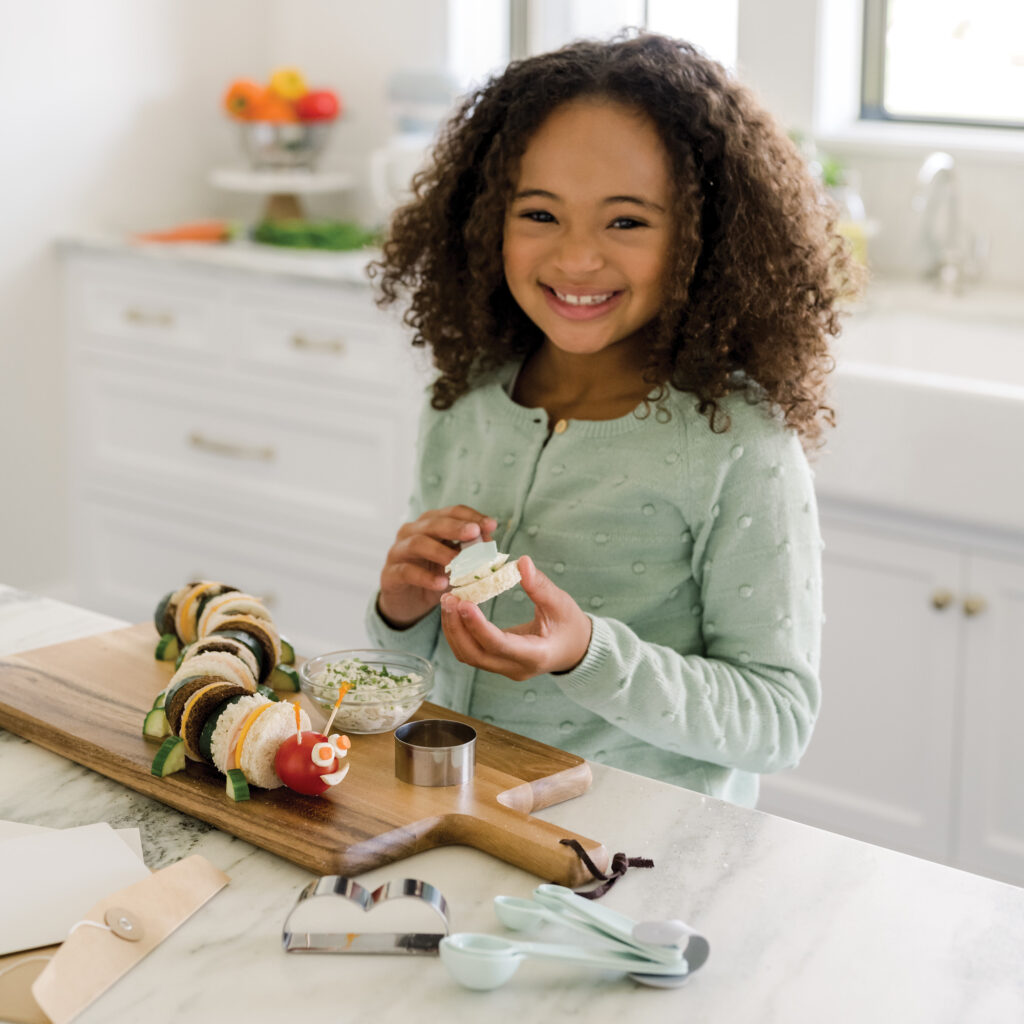
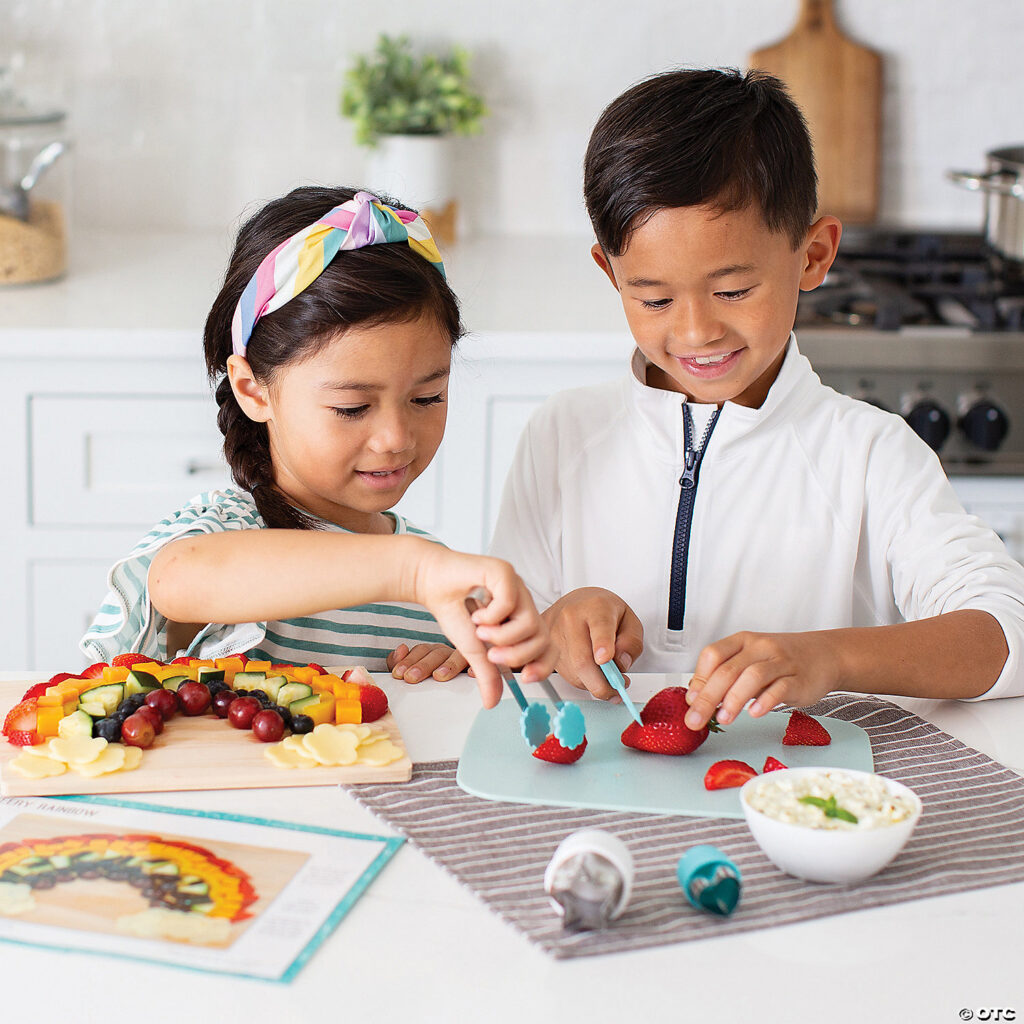
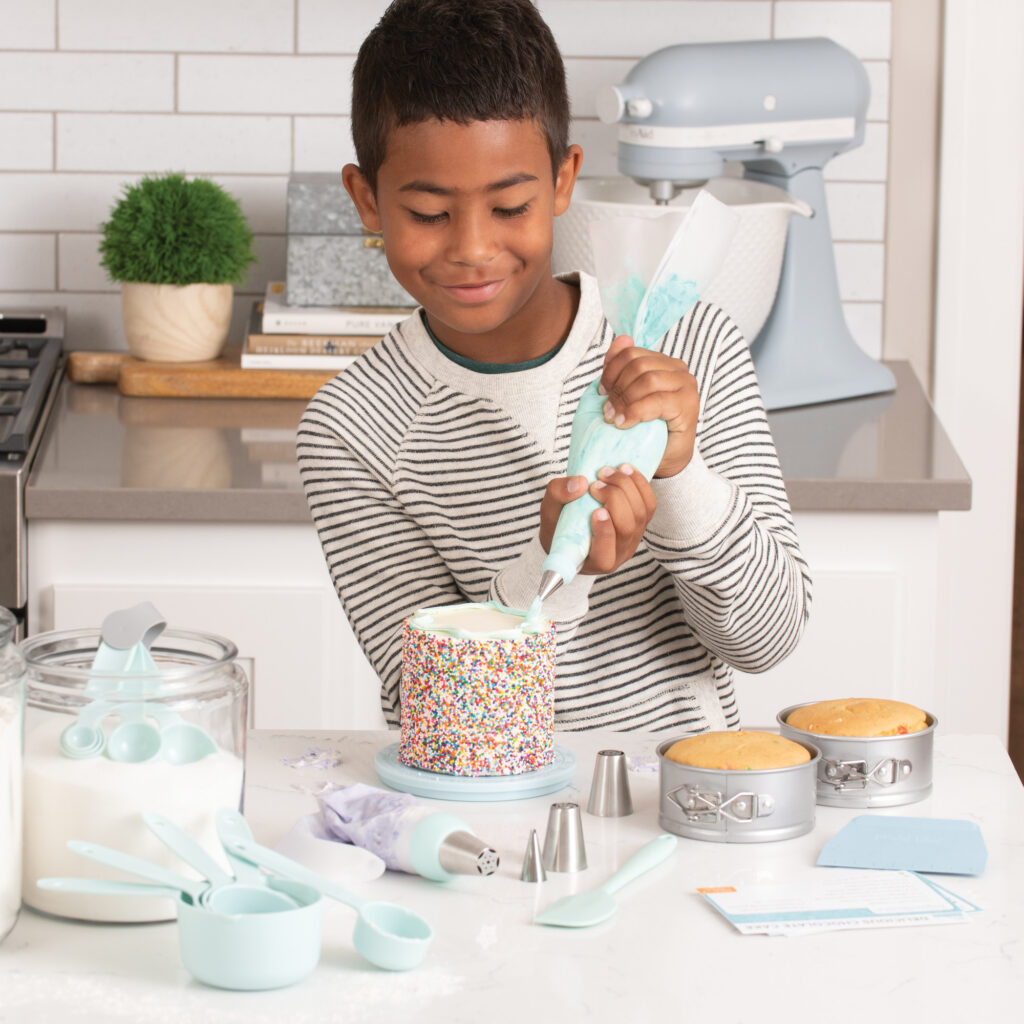
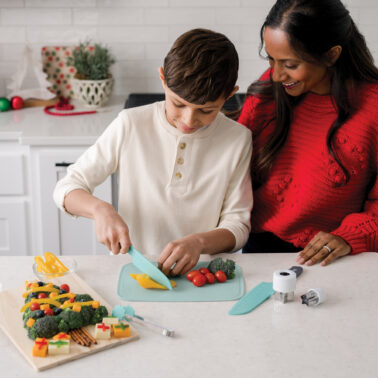
If you’ve ever cooked with a small child nearby, you know one thing is certain: little kids love to help. They want to stir, pour, measure, and be part of whatever is happening at the counter. The good news? When kids help make a meal, they’re far more likely to actually eat it—and feel proud doing so.
Even better, meals made at home with simple, recognizable ingredients are often healthier than highly processed options. Inviting kids into the cooking process isn’t just adorable—it’s a powerful way to build lifelong skills and healthy habits.
Here’s how to create a kid-friendly prep station in your own kitchen—no remodel required.
Getting Started: Safety First
Before carving out a special space for your child, take a few minutes to do a safety assessment. Kitchens are wonderful places full of learning opportunities, but they can also pose real risks if not set up thoughtfully.
A few simple adjustments go a long way:
Keep sharp items out of reach or stored in locked drawers.
Secure cabinets that contain cleaning supplies or heavy appliances.
Install stove safety knobs to prevent curious hands from turning burners on.
Use non-slip mats if your child will be standing to work.
Establish clear rules like “Ask before touching” and “Walking feet in the kitchen.”
Once safety is handled, you can confidently create a space where your child can participate without constant worry.
The Setup: A Space Just for Them
You don’t need a large kitchen to make this work. A small corner can become a meaningful, functional workspace for your child.
Start with the Basics:
A small table or a cleared section of counter at kid-friendly height.
Good lighting so they can clearly see what they’re doing.
Easy-to-reach tools designed for small hands.
The goal is to create a space that feels like it belongs to them—inviting, accessible, and organized.
Make It Special (and Practical)
Kids are more engaged when they feel ownership. Turning their prep station into their kitchen makes cooking feel like play—and responsibility—at the same time.
Try these simple additions:
Hang a hook nearby for their very own apron. Putting it on becomes a ritual that signals, “It’s time to cook!”
Add removable wall hooks to hold color-coded measuring cups. This keeps tools visible and teaches organization.
Create a utensil canister using a recycled can (like a tomato can) decorated by your child. Fill it with essentials:
Wooden spoon
Silicone spatula
Stainless steel whisk
Silicone basting brush
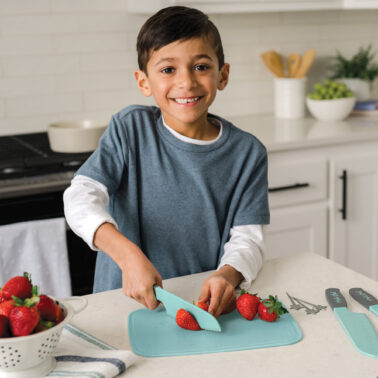
Safety knives designed for young chefs
Let them name their space. A handmade sign like “Isabella’s Kitchen” or “Chef Mateo’s Station” builds pride and excitement.
This doesn’t have to be Pinterest-perfect. What matters most is that your child helped create it.
For Your Growing Chefs in Action
Now comes the fun part—actually using the space!
As you prepare meals, look for tasks you can delegate. Many everyday recipe steps are perfect for kids:
Washing vegetables
Measuring ingredients
Stirring sauces or batters
Tearing herbs or lettuce
Cutting soft foods with safety knives
Transferring ingredients into bowls
Brushing oil or sauce onto foods
For example, when your recipe says:
“Dice the onions” or “Cut the potatoes into cubes”
You can assign a parallel task at their station using kid-safe tools and softer ingredients. They feel included, and you gain a helper instead of a distraction.
Why This Small Space Creates Big Rewards
A kid-friendly prep station does more than keep little hands busy. It builds:
Confidence – Kids see that they are capable contributors.
Willingness to try new foods – They’re proud to taste what they helped create.
Fine motor skills – Measuring, stirring, and cutting strengthen coordination.
Math and reading readiness – Cooking naturally introduces counting, sequencing, and following directions.
Family connection – Cooking together becomes shared time instead of a rushed chore.
And yes—you may even get a little help with dinner.
Keep It Flexible (and Fun)
Your child’s role will grow as they do. Start small. Expect spills. Celebrate effort over perfection.
Some days they’ll measure flour. Other days they’ll just wear the apron and taste-test. Both count.
The goal isn’t to raise a professional chef—it’s to raise a confident, curious eater who feels comfortable in the kitchen.
Ready to Get Started?
All you need is a small space, a few thoughtfully chosen tools, and a willingness to invite your child into the process. With their own prep station, your kitchen becomes a place of learning, laughter, and shared accomplishment.
Because when kids help make the meal, they’re not just cooking—they’re growing.
Free Download
Playful Chef Parent Guide: A Recipe for Confidence, Connection, and Creativity