Today, we’re rolling up our sleeves and diving into the tasty science of yeast — the tiny living organisms that make bread rise, pizza puff, and cinnamon rolls fluffy.
These activities are designed for little chefs ages 5–6, with simple instructions, everyday ingredients, and big, bubbly results. From balloon inflators to puffed-up pizza, your kids will see yeast come to life — and then taste the science in action. Before you get started, download our Experiment Observation Sheet to get the most out of your experience!
Kitchen Chemistry At-A-Glance
| Experiment | Age | Mess Level | Supervision | Allergy Watch |
|---|---|---|---|---|
| Yeast Bubble Watch | 5–6 | Low | Light | None |
| Balloons Breathing Yeast | 5–6 | Low | Light | None |
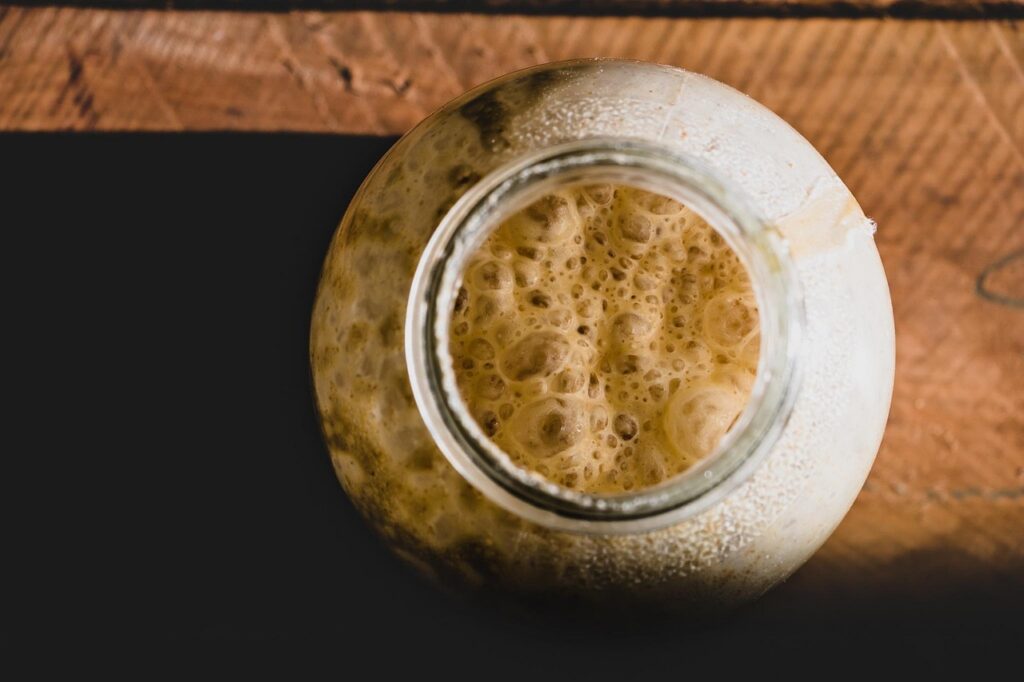
Yeast Bubble Watch
Ages 5–6
What You’ll Need:
Ingredients:
- 1 teaspoon yeast
- 1 teaspoon sugar
- ¼ cup warm water
- 1 clear glass or cup
How To:
- Add warm water to the glass.
- Sprinkle in sugar and stir.
- Sprinkle yeast on top and watch closely.
- In just a few minutes, tiny bubbles will appear and foam will start to grow!
Science Vocabulary:
- Foam – A layer of bubbles on top of a liquid.
- Wake up – When yeast becomes active in warm water.

Balloon Breathing Yeast
Ages 5–6
What You’ll Need:
- Small plastic water bottle
- 1 teaspoon yeast
- 1 teaspoon sugar
- ¼ cup warm water
- Small balloon
How To:
- Pour warm water, sugar, and yeast into the bottle. Swirl gently.
- Stretch the balloon’s opening over the top of the bottle.
- Set the bottle aside and wait 10–15 minutes.
- Watch the balloon slowly inflate as yeast makes gas!
Science Vocabulary:
- Inflate – To fill up with air or gas.
- Gas – Something invisible that spreads out to fill space (like carbon dioxide).
Bonus: Experiment Observation Worksheets
Turn your kitchen into a playful science lab! Grab this free printable:
Want More?
Check out our full line of Playful Chef cooking kits that blend STEAM learning, real-life cooking and baking skills, and playful storytelling. From cakes to chemistry, we’ve got your chef covered.